The moment you sink your teeth into a piece of Homemade Toffee, you’re greeted with a delightful crunch that gives way to a velvety, buttery sweetness. The aroma wafts through the air, reminiscent of warm caramel and toasted sugar, evoking cozy memories of indulgent gatherings and festive celebrations. This treat isn’t just a snack; it’s a comforting bite of nostalgia that transforms any ordinary day into a special occasion.
What sets this homemade confection apart is its perfect balance of rich flavors and textures, achieved by slowly cooking the sugar to that ideal golden hue. With a hint of sea salt sprinkled atop, each morsel becomes an exquisite experience for the palate. Whether enjoyed solo with a cup of coffee or elegantly wrapped as a thoughtful gift, this Homemade Toffee invites you to share in the joy of creating something truly delightful.
Why You’ll Love This Homemade Toffee
You’ll be captivated by the incredible balance of rich, buttery flavors and the satisfying crunch of chopped nuts in this delightful homemade toffee. The combination of unsalted butter and granulated sugar creates a perfectly smooth and glossy texture that melts in your mouth, while a hint of salt enhances the sweetness just enough to keep you coming back for more. Topped with semi-sweet chocolate chips that add a luscious layer of flavor and an irresistible aroma wafting through your kitchen, this treat is not only a joy to make but also a stunning gift for friends and family. So why wait? Dive into this simple yet indulgent recipe tonight and experience pure bliss in every bite!
What Kind of Butter Should I Use?
For this homemade toffee recipe, it is essential to use unsalted butter. Unsalted butter allows you to control the saltiness of your toffee, ensuring a perfect balance of flavors without overpowering its rich, buttery taste. The high fat content in butter contributes to the smooth texture and helps create that desirable crunch once the toffee cools. If you only have salted butter on hand, you can still use it; just be cautious about adding any additional salt in the recipe to avoid making your toffee overly salty.
Ingredients for the Homemade Toffee
Each ingredient in this dish plays an essential role in flavor and texture. Here’s what you’ll need:
1 cup unsalted butter (cut into pieces): Provides a rich, creamy base that enhances the toffee’s luxurious texture.
1 cup granulated sugar: Essential for sweetness and caramelization, giving the toffee its signature golden color.
1/4 cup light corn syrup: Helps to prevent crystallization, ensuring a smooth and glossy finish.
1/4 teaspoon salt: Balances the sweetness and enhances the overall flavor profile.
1 teaspoon vanilla extract: Adds depth and warmth, complementing the buttery notes beautifully.
1 cup chopped nuts (such as almonds or pecans): Introduces a delightful crunch and nutty flavor that contrasts with the toffee’s smoothness.
- 1/2 cup semi-sweet chocolate chips: Melts beautifully on top, adding a layer of richness and indulgence.
How To Make This Recipe
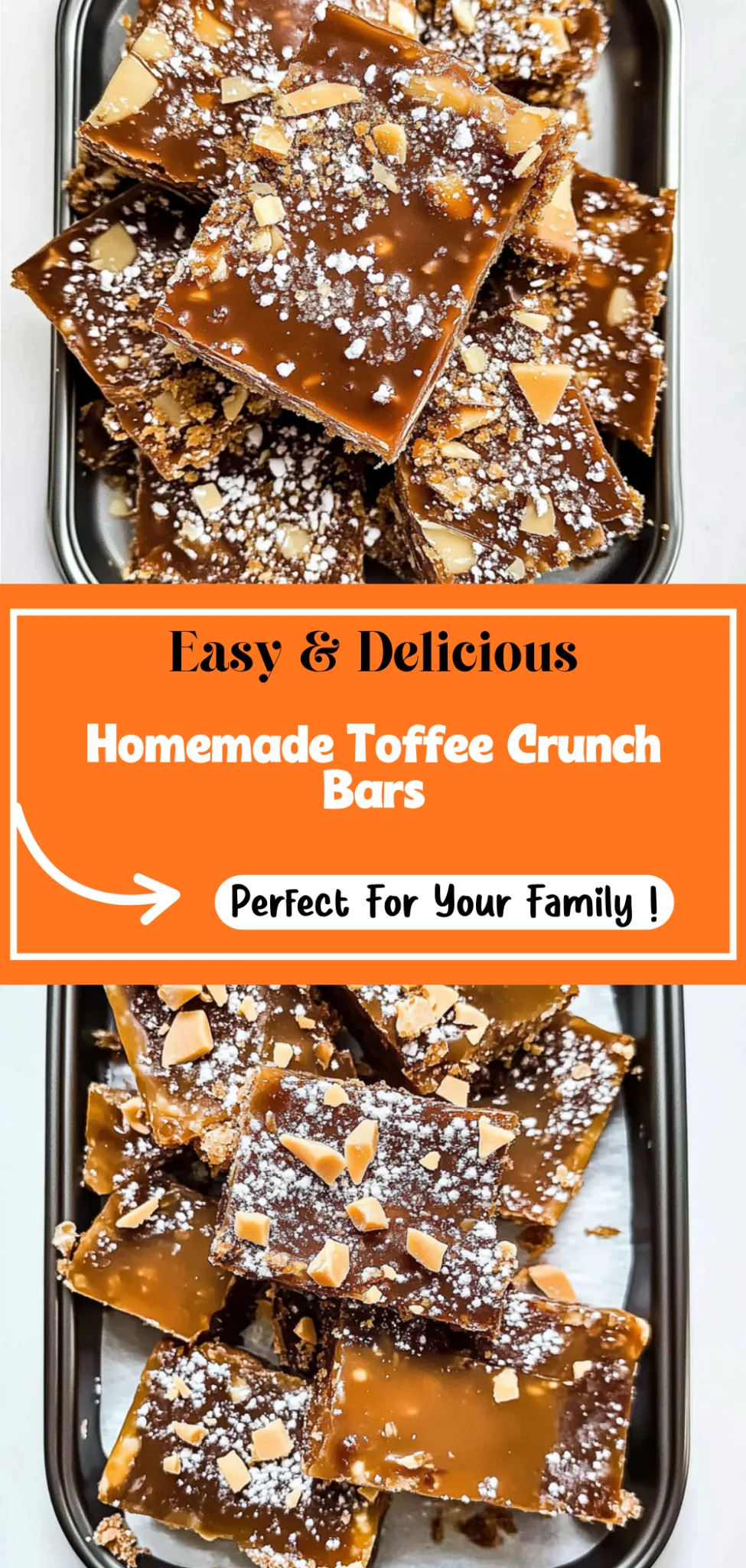
Prepare the Baking Sheet
Line a baking sheet with parchment paper and set it aside. This will prevent the toffee from sticking and make for easy removal once it cools. Ensure the parchment paper covers the entire surface for best results.
Combine Ingredients
In a heavy-bottomed saucepan, combine 1 cup of unsalted butter, 1 cup of granulated sugar, 1/4 cup of light corn syrup, and 1/4 teaspoon of salt. Stir these ingredients together over medium heat until the butter melts and the mixture is well combined.
Boil the Mixture
Cook the mixture over medium heat, stirring constantly until it comes to a boil. You’ll notice the mixture bubbling and beginning to thicken slightly as it heats. Keep a close eye on it to avoid burning.
Monitor Temperature
Attach a candy thermometer to the saucepan and continue cooking without stirring until the temperature reaches 300°F, which is known as the hard crack stage. The mixture will turn a deep golden color, indicating that it’s reaching the right consistency.
Add Vanilla
Once you’ve reached 300°F, immediately remove the saucepan from heat and stir in 1 teaspoon of vanilla extract. Be careful as this may cause some bubbling; mixing in the vanilla enhances the flavor of your toffee beautifully.
Pour and Spread
Quickly pour the hot toffee mixture onto the prepared baking sheet, spreading it into an even layer with a spatula if necessary. Act fast before it starts to set; this step should take no more than a couple of minutes for best results.
Top with Nuts and Chocolate
Sprinkle 1 cup of chopped nuts and 1/2 cup of semi-sweet chocolate chips over the hot toffee. The heat from the toffee will start melting the chocolate chips, making them easier to spread later on.
Melt and Spread Chocolate
Let it sit for a few minutes until the chocolate chips are melted, then use a spatula or knife to spread them evenly over the surface of the toffee. This creates a delicious chocolate layer that complements its buttery base perfectly.
Cool Completely
Allow your toffee to cool completely at room temperature before attempting to break it apart. This process usually takes about 30 minutes; you want it fully set so that it’s easy to handle.
Break into Pieces
Once cooled, carefully break the toffee into pieces using your hands or by tapping on it gently with a heavy object. Store your homemade toffee in an airtight container where it can stay fresh for up to two weeks—if you can resist eating it all right away!
How to Serve and Store Homemade Toffee
This homemade toffee yields 4 servings, making it a delightful treat for sharing. For an enticing presentation, break the toffee into irregular pieces and serve it on a rustic wooden board alongside a small bowl of sea salt for sprinkling. Pair it with a rich cup of coffee or hot chocolate to balance the buttery sweetness, and consider adding some fresh fruit like apple slices for a refreshing contrast.
To store any leftovers, keep them in an airtight container at room temperature for up to two weeks. If you need to reheat, gently warm the toffee in the microwave in short intervals, avoiding high heat to prevent burning; just a few seconds should help restore its delightful texture without losing quality. While this toffee is best enjoyed fresh, it can also be frozen for up to three months if you don’t mind a slight change in texture upon thawing.
What to Serve With Homemade Toffee
Creamy Mashed Potatoes
The rich creaminess of mashed potatoes provides an indulgent contrast to the crunchy texture of homemade toffee.
Roasted Brussels Sprouts
The slightly bitter and caramelized flavor of roasted Brussels sprouts enhances the sweet notes of the toffee while adding a delightful crunch.
Garlic Bread
Toasty and buttery garlic bread offers a savory counterpart that perfectly balances the sweetness of the toffee’s chocolate and sugar.
Spinach Salad with Balsamic Vinaigrette
A fresh spinach salad dressed in tangy balsamic vinaigrette adds brightness and acidity that cuts through the richness of the toffee.
Macaroni and Cheese
Creamy macaroni and cheese brings comforting warmth that complements the buttery flavor of the toffee, making for a cozy pairing.
Sweet Potato Wedges
The natural sweetness and slight earthiness of roasted sweet potato wedges harmonize beautifully with the flavors of homemade toffee, creating a satisfying contrast.
Can I use margarine instead of unsalted butter?
While margarine can be used, it may alter the flavor and texture of the toffee. Unsalted butter provides a rich, creamy taste that enhances the overall quality of the toffee, so it’s best to stick with it for optimal results.
Is this homemade toffee gluten-free?
Yes, this homemade toffee is naturally gluten-free as none of the ingredients contain gluten. Just ensure that any toppings you choose, like nuts or chocolate chips, are also labeled as gluten-free to maintain that dietary requirement.
Can I make this toffee ahead of time and freeze it?
Absolutely! Once the toffee has cooled completely and been broken into pieces, it can be stored in an airtight container in the freezer for up to three months. Just allow it to come to room temperature before serving for the best texture.
How do I know when my toffee has reached the right temperature?
Toffee is ready when it reaches 300°F on a candy thermometer, which is known as the hard crack stage. This temperature ensures that your toffee will have that perfectly crunchy texture when cooled.
What kind of nuts can I use for topping the toffee?
You can use a variety of nuts such as almonds, pecans, or walnuts depending on your preference. Each nut adds its unique flavor and crunch, so feel free to experiment with different combinations for a personalized touch.
One Last Thing
There’s something truly special about the rich and buttery flavor of Homemade Toffee that makes it an absolute delight for snacking or gifting. If you enjoyed this treat, you might also love trying [Chocolate-Covered Almonds] or [Salted Caramel Brownies] to complement your sweet cravings. Don’t forget to save this recipe on Pinterest and share your homemade creations with us in the comments—we can’t wait to see how yours turns out!
Leave a Comment