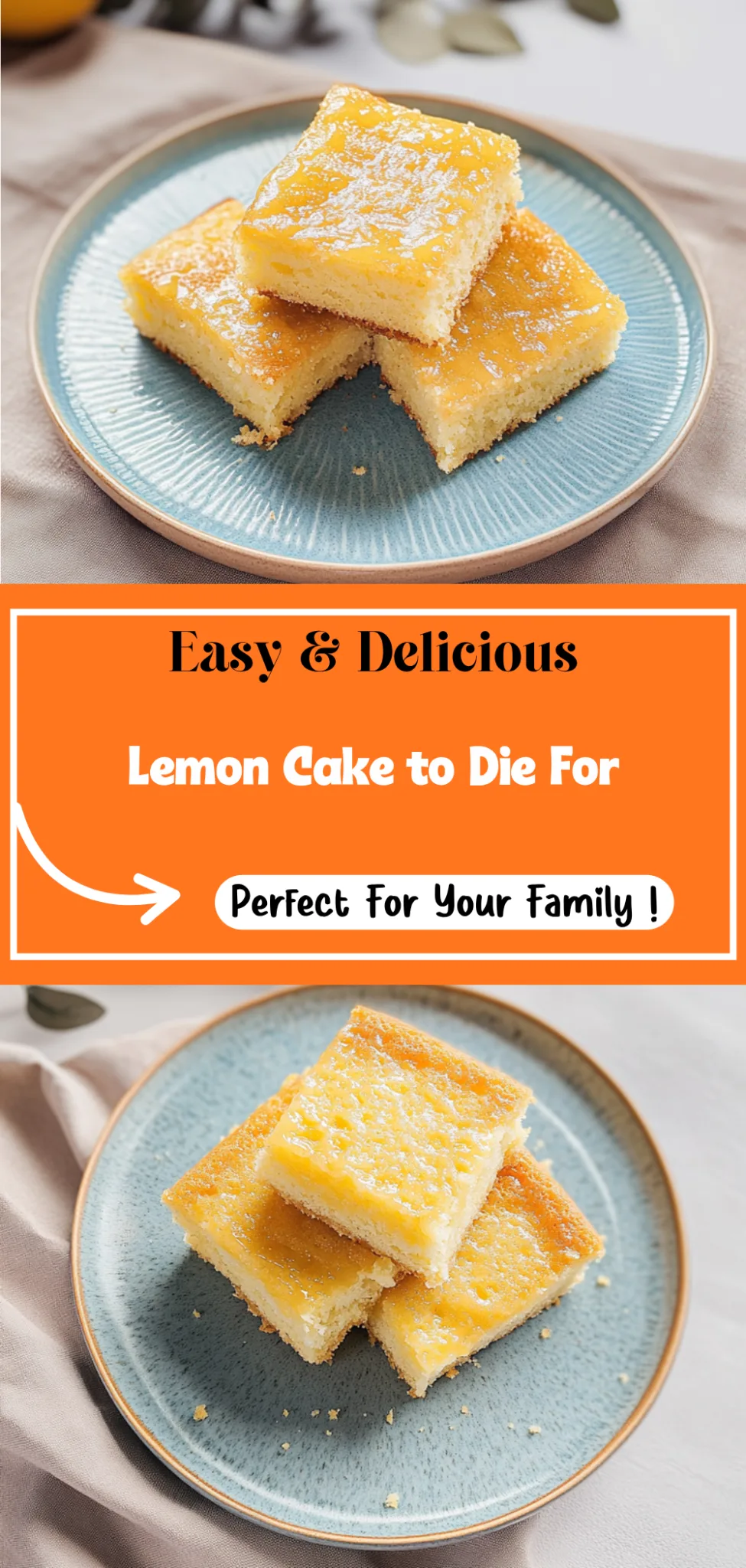
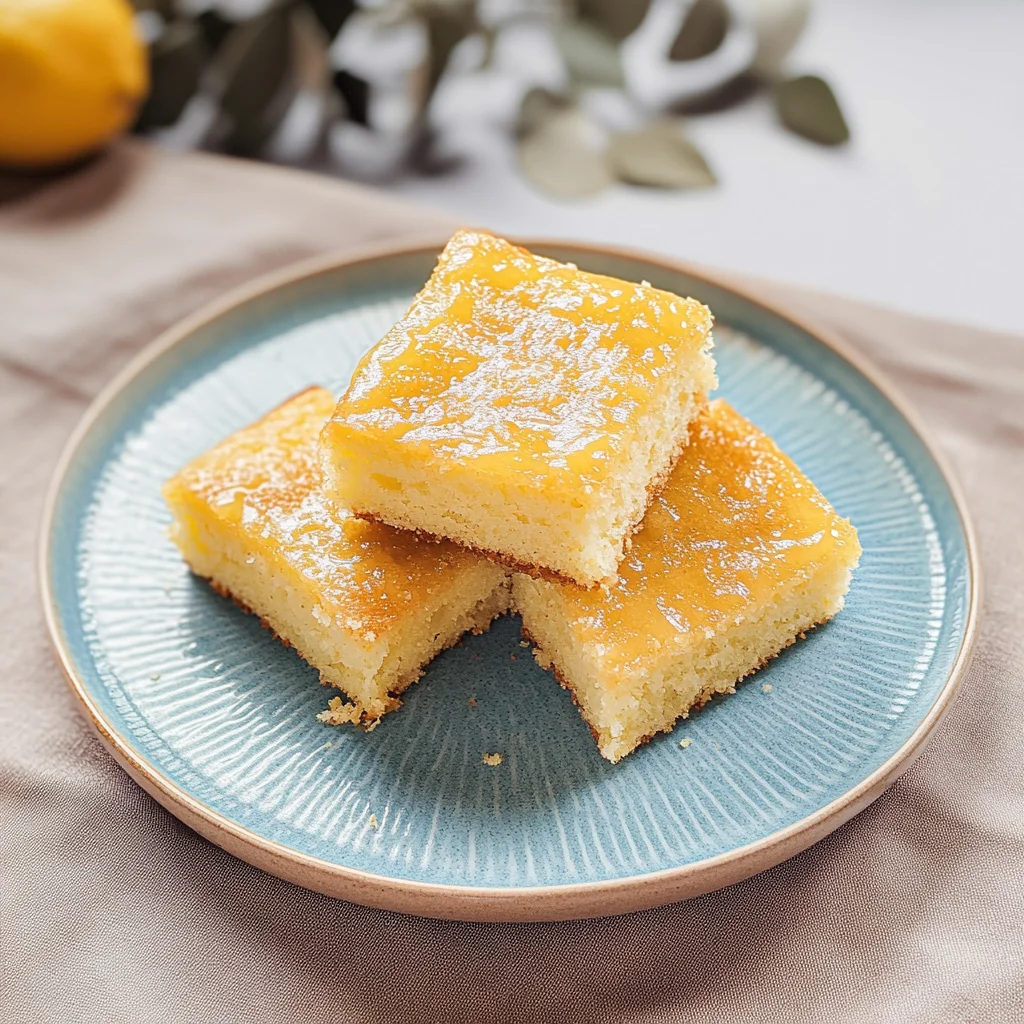
The moment you set eyes on this Lemon Cake to Die For, its golden hue beckons like a sunlit afternoon. A delicate crumb promises moistness with each slice, while the bright aroma of fresh lemons fills the air, igniting anticipation for that first bite. This cake is not just a dessert; it embodies celebration and comfort, making it the perfect centerpiece for gatherings or a delightful treat to brighten any weeknight.
What elevates this cake to its divine status is the luscious lemon glaze that cascades over its top, adding a glossy finish that glimmers invitingly. Each mouthful bursts with vibrant citrus flavor, balanced beautifully by the subtle sweetness of sugar. Whether served at a festive occasion or enjoyed during a quiet moment at home, this Lemon Cake to Die For is sure to bring joy and warmth to every table.
Why You’ll Love This Lemon Cake to Die For
This Lemon Cake to Die For is a delightful symphony of flavors and textures that will have your taste buds dancing with joy. The combination of rich, softened unsalted butter and granulated sugar creates an incredibly moist crumb that’s perfectly contrasted by the bright zing of freshly grated lemon zest and juice, elevating each bite with a refreshing tang. As you slice into this beauty, you’ll be greeted by its inviting golden hue, crowned with a glossy, luscious lemon glaze that promises sweetness in every mouthful. Whether you’re celebrating a special occasion or simply indulging your sweet tooth, this cake is destined to become your new go-to dessert—get ready to whip it up tonight!
What Kind of Butter Should I Use?
For the best results in your Lemon Cake to Die For, I highly recommend using unsalted butter. Unsalted butter allows you to control the amount of salt in your cake, which is essential for balancing the tartness of the lemon. It also contributes to a tender crumb and rich flavor, making your cake moist and full of depth. If you only have salted butter on hand, you can still use it; just be sure to reduce the added salt in the recipe by about half to maintain the desired taste profile.
Ingredients for the Lemon Cake to Die For
Each ingredient in this dish plays an essential role in flavor and texture. Here’s what you’ll need:
1 cup unsalted butter (softened): Creates a rich, moist crumb that enhances the cake’s tenderness.
2 cups granulated sugar: Provides sweetness and helps achieve a light texture through aeration.
4 large eggs: Contributes structure and stability while adding richness to the cake.
1 cup buttermilk (room temperature): Adds moisture and a subtle tang that balances the sweetness.
3 cups all-purpose flour: Forms the base of the cake, providing structure and body.
1 tablespoon baking powder: Acts as a leavening agent, helping the cake rise beautifully.
1 teaspoon baking soda: Enhances the leavening process and activates with the buttermilk’s acidity.
1 teaspoon salt: Balances sweetness and enhances all flavors in the cake.
1 tablespoon lemon zest (freshly grated): Infuses vibrant citrus notes for an intense lemon flavor.
1/4 cup fresh lemon juice: Brightens the cake with acidity, enhancing its overall flavor profile.
How To Prepare Lemon Cake to Die For
Preheat and Prepare the Pan
Preheat your oven to 350°F (175°C) and prepare a 9-inch round cake pan by greasing it with butter and lightly dusting it with flour. This will ensure your cake releases easily after baking. Take your time with this step, as a well-prepared pan is crucial for achieving that perfect, golden-brown crust.
Cream the Butter and Sugar
In a mixing bowl, combine the softened unsalted butter and granulated sugar. Using a hand mixer or stand mixer, cream them together until the mixture is light and fluffy, which should take about 3-5 minutes. This process incorporates air into the batter, leading to a lighter texture in your finished cake.
Incorporate the Eggs and Wet Ingredients
Add the large eggs to the creamed butter and sugar one at a time, ensuring each egg is fully incorporated before adding the next. After all the eggs have been added, mix in the buttermilk, freshly grated lemon zest, and lemon juice until everything is well combined. The batter should be smooth and slightly thickened at this point.
Combine Dry Ingredients
In a separate bowl, whisk together the all-purpose flour, baking powder, baking soda, and salt until evenly blended. This step helps distribute the leavening agents throughout the flour for an even rise in your cake. Take a moment to ensure no lumps remain; a well-mixed dry ingredient blend will contribute to a consistent texture.
Mix Wet and Dry Ingredients
Gradually add the dry ingredients to the wet mixture, stirring gently until just combined. Be careful not to overmix; you want to see some small lumps remaining in the batter. Overmixing can lead to a dense cake rather than one that’s light and fluffy.
Pour Batter into Pan
Pour your prepared batter into the greased and floured cake pan, using a spatula to smooth out the top evenly. This ensures that your cake will bake uniformly without any peaks or valleys. The batter should fill about two-thirds of the pan for optimal rising.
Bake Until Golden Brown
Place the cake in the preheated oven and bake for 30-35 minutes. Keep an eye on it; you’ll know it’s done when a toothpick inserted into the center comes out clean or with just a few moist crumbs attached. The top should be golden brown and spring back when gently pressed.
Cool Before Serving
Once baked, remove the cake from the oven and let it cool in the pan for about 10 minutes. After that, carefully transfer it to a wire rack to cool completely. Cooling allows for easier slicing later on without crumbling or falling apart.
Whisk Together Glaze
In a small bowl, whisk together powdered sugar and fresh lemon juice until you achieve a smooth consistency. This glaze should be slightly thick but pourable; if it’s too thin, add more powdered sugar gradually until you reach your desired thickness.
Drizzle Over Cake
After ensuring that your cake has cooled completely, drizzle the lemon glaze generously over the top while it’s still on the wire rack. Allow some of it to drip down the sides for an elegant presentation. The glaze will set quickly due to its sugar content.
Let Set Before Serving
Allow the glaze to set for just a few minutes before slicing into your luscious lemon cake. This brief resting period helps create that glossy finish on top while enhancing flavor infusion—ensuring every bite is deliciously tangy!
How to Serve and Store Lemon Cake to Die For
This delightful Lemon Cake to Die For serves 8, making it perfect for gatherings or family celebrations. For an ideal presentation, serve the cake on a beautiful platter garnished with fresh lemon slices and a sprinkle of powdered sugar. Pair it with a scoop of vanilla ice cream or a dollop of whipped cream to complement the tangy flavors, creating a visually appealing and mouthwatering dessert experience.
To store any leftovers, place the cake in an airtight container in the refrigerator, where it will stay fresh for up to 5 days. When reheating, do so gently in the microwave at low power for 10-15 seconds at a time, ensuring you don’t dry out the cake — this method helps retain its moist texture from the buttermilk. Unfortunately, freezing this cake may affect its texture, so it’s best enjoyed fresh!
What to Serve With Lemon Cake to Die For
Garlic Mashed Potatoes
The creamy, buttery texture of garlic mashed potatoes creates a delightful contrast to the lightness of the lemon cake, enhancing the overall indulgence.
Roasted Asparagus
Tender roasted asparagus adds a fresh, earthy note that balances the sweetness of the lemon cake while providing a satisfying crunch.
Lemon Herb Couscous
Light and fluffy lemon herb couscous mirrors the citrus notes in the cake, making it a refreshing accompaniment that ties the flavors together.
Fresh Garden Salad
A crisp garden salad dressed with a zesty vinaigrette offers a bright and tangy counterpoint to the rich sweetness of the lemon cake.
Cheesy Garlic Bread
The warm, gooey cheese and aromatic garlic in cheesy garlic bread create a comforting contrast that complements the cake’s tangy glaze beautifully.
Honey-Glazed Carrots
Sweet and tender honey-glazed carrots bring a subtle sweetness that harmonizes with the lemony flavor while adding vibrant color to your table.
Frequently Asked Questions
Can I use coconut oil instead of unsalted butter?
Yes, you can substitute coconut oil for unsalted butter in this recipe. Just make sure to use it in its softened state for the best creaming results.
Is there a dairy-free alternative to buttermilk?
Absolutely! You can use almond milk or soy milk mixed with a teaspoon of lemon juice or vinegar to create a dairy-free buttermilk substitute. Let it sit for about 5 minutes before adding it to your batter.
Can I freeze the lemon cake?
Yes, this lemon cake freezes well! Once cooled completely, wrap it tightly in plastic wrap and aluminum foil before placing it in the freezer. It can be stored for up to three months.
How do I know when the cake is done baking?
The cake is done when a toothpick inserted into the center comes out clean or with just a few crumbs attached. If it’s still wet, allow it to bake a few more minutes and check again.
Can I add more lemon zest for extra flavor?
Definitely! You can increase the amount of lemon zest to enhance the cake’s citrus flavor. Just be mindful not to add too much, as it may affect the texture of the batter.
Can I use a different type of cake pan?
You can use different types of cake pans such as a bundt pan or multiple smaller round pans. Just keep an eye on the baking time, as smaller pans may bake faster than a standard 9-inch round pan.
Conclusion
There’s something truly special about the moist and tangy Lemon Cake to Die For that makes it a must-have for any occasion, bringing bursts of fresh lemon flavor that will leave your guests raving. If you’re looking to complement this delightful treat, be sure to explore other refreshing options like [Lemon Blueberry Muffins] or [Citrus Poppy Seed Salad]. We’d love for you to save this recipe on Pinterest and share your baking adventures with our community—let us know how your cake turns out in the comments!
Lemon Cake to Die For
Ingredients
Method
- Preheat the oven to 350°F (175°C). Grease and flour a 9-inch round cake pan.
- In a mixing bowl, cream together the softened butter and granulated sugar until light and fluffy.
- Add the eggs one at a time, beating well after each addition. Mix in the buttermilk, lemon zest, and lemon juice.
- In a separate bowl, whisk together the flour, baking powder, baking soda, and salt.
- Gradually add the dry ingredients to the wet ingredients, mixing until just combined.
- Pour the batter into the prepared cake pan and smooth the top.
- Bake for 30-35 minutes, or until a toothpick inserted into the center comes out clean.
- Allow the cake to cool in the pan for 10 minutes, then transfer to a wire rack to cool completely.
- In a small bowl, whisk together the powdered sugar and lemon juice until smooth.
- Once the cake has cooled, drizzle the lemon glaze over the top.
- Let the glaze set for a few minutes before slicing and serving.

Leave a Comment