The aroma of freshly baked Bread of the Dead envelops your kitchen, a warm embrace that beckons with its inviting scent of sweet citrus and delicate spices. This traditional Mexican treat, with its soft, pillowy texture and golden crust dusted with sugar, is more than just a dessert; it serves as a heartfelt tribute to loved ones who have passed, making every bite a comforting reminder of cherished memories and connections.
What sets Bread of the Dead apart is its unique flavor profile, enhanced by the subtle notes of anise and orange zest that dance on your palate. Often adorned with bone-shaped decorations, this bread not only delights the senses but also carries deep cultural significance during the Day of the Dead celebrations. As you gather around the table to share this exquisite creation, you’ll find yourself wrapped in warmth and nostalgia, inviting everyone to partake in both the feast and the memories it evokes.
Why You’ll Love This Bread of the Dead
You’ll fall head over heels for this Bread of the Dead, not just for its beautiful, golden-brown crust that beckons you in with a warm, inviting aroma, but also for its rich, tender texture that melts in your mouth. The combination of all-purpose flour and a generous amount of sugar creates a perfectly balanced sweetness that harmonizes beautifully with the hint of orange zest and optional anise seeds, adding intriguing layers of flavor. Plus, the addition of warm milk and melted butter ensures every bite is decadently soft and satisfying, while the cinnamon-sugar topping brings an irresistible crunch that contrasts delightfully with the doughy interior. Once you experience this celebration of flavor and tradition, you’ll be eager to bake it again and again!
What Kind of Flour Should I Use?
For this Bread of the Dead recipe, all-purpose flour is your best bet. It strikes the perfect balance between strength and tenderness, allowing for a soft yet structured loaf that can hold its shape while still being fluffy and light. The moderate protein content in all-purpose flour helps create just enough gluten, which contributes to the bread’s delightful chewiness. If you prefer to use bread flour for a heartier texture, you can do so; just be mindful that it may result in a denser loaf, so keep an eye on your baking time to ensure it doesn’t dry out.
Ingredients for the Bread of the Dead
Each ingredient in this dish plays an essential role in flavor and texture. Here’s what you’ll need:
- 4 cups all-purpose flour: Provides the structure and base for this sweet bread.
- 1 cup granulated sugar: Sweetens the dough, enhancing the overall flavor profile.
- 1 tablespoon active dry yeast: Helps the bread rise, creating a light and airy texture.
- 1 teaspoon salt: Balances sweetness and enhances the other flavors.
- 1/2 cup unsalted butter (melted): Adds richness and a tender crumb to the bread.
- 1 cup milk (warm): Activates the yeast while contributing to a soft, moist texture.
- 3 large eggs (lightly beaten): Enriches the dough and aids in binding ingredients together.
- 1 teaspoon orange zest: Infuses a bright citrus aroma that complements the sweetness.
- 1 teaspoon anise seeds (optional): Offers a subtle licorice flavor that adds depth to the dough.
Step-by-Step: How to Make Bread of the Dead
Activate the Yeast
In a large mixing bowl, combine the warm milk and active dry yeast. Let this mixture sit for about 5 minutes until it becomes frothy, indicating that the yeast is activated. This step is crucial as it helps ensure your bread will rise properly.
Mix in Wet Ingredients
Add the melted unsalted butter, granulated sugar, lightly beaten eggs, orange zest, and optional anise seeds to the yeast mixture. Stir everything together until well combined, creating a smooth and fragrant base for your dough.
Incorporate Dry Ingredients
Gradually add in the all-purpose flour and salt while mixing until a dough begins to form. It should start pulling away from the sides of the bowl but may still be slightly sticky. Keep mixing until everything is incorporated.
Knead the Dough
Transfer the dough onto a floured surface and knead it for about 10 minutes until it becomes smooth and elastic. You can test its readiness by performing the “windowpane test”; stretch a small piece of dough—if it holds its shape without tearing, you’re good to go.
Let It Rise
Place the kneaded dough in a greased bowl and cover it with a cloth. Allow it to rise in a warm place for approximately 1 hour or until it has doubled in size. Look for a puffy texture; this indicates that your yeast has worked effectively.
Preheat the Oven
While your dough is rising, preheat your oven to 350°F (175°C). This ensures that when you’re ready to bake, your oven is at the perfect temperature for achieving that golden brown crust.
Divide the Dough
Once risen, punch down the dough gently to release excess air and divide it into two equal parts. This will allow you to create both the main loaf and decorative pieces for topping.
Shape the Loaf
Take one part of the dough and shape it into a round loaf. With the other half, divide it into smaller pieces that you’ll use to form a cross on top of the loaf. Ensure that your shapes are even so they bake uniformly.
Prepare for Final Rise
Transfer your shaped dough onto a baking sheet lined with parchment paper. Cover it again and let it rise for another 30 minutes. During this time, you should see it puff up slightly as it prepares for baking.
Mix Topping Ingredients
In a small bowl, combine 1/4 cup granulated sugar with 1 teaspoon cinnamon. This mixture will create a sweet topping that enhances both flavor and appearance when sprinkled over your bread just before baking.
Bake Until Golden Brown
Sprinkle the topping evenly over your risen dough before placing it in the oven. Bake for about 25 minutes or until you see a deep golden color on top. A toothpick inserted into the center should come out clean, signaling that it’s fully baked.
Cool Before Serving
Once baked, remove your Bread of the Dead from the oven and let it cool on a wire rack before serving. This cooling period allows flavors to develop further and makes slicing easier without squishing your beautiful loaf.
How to Serve and Store Bread of the Dead
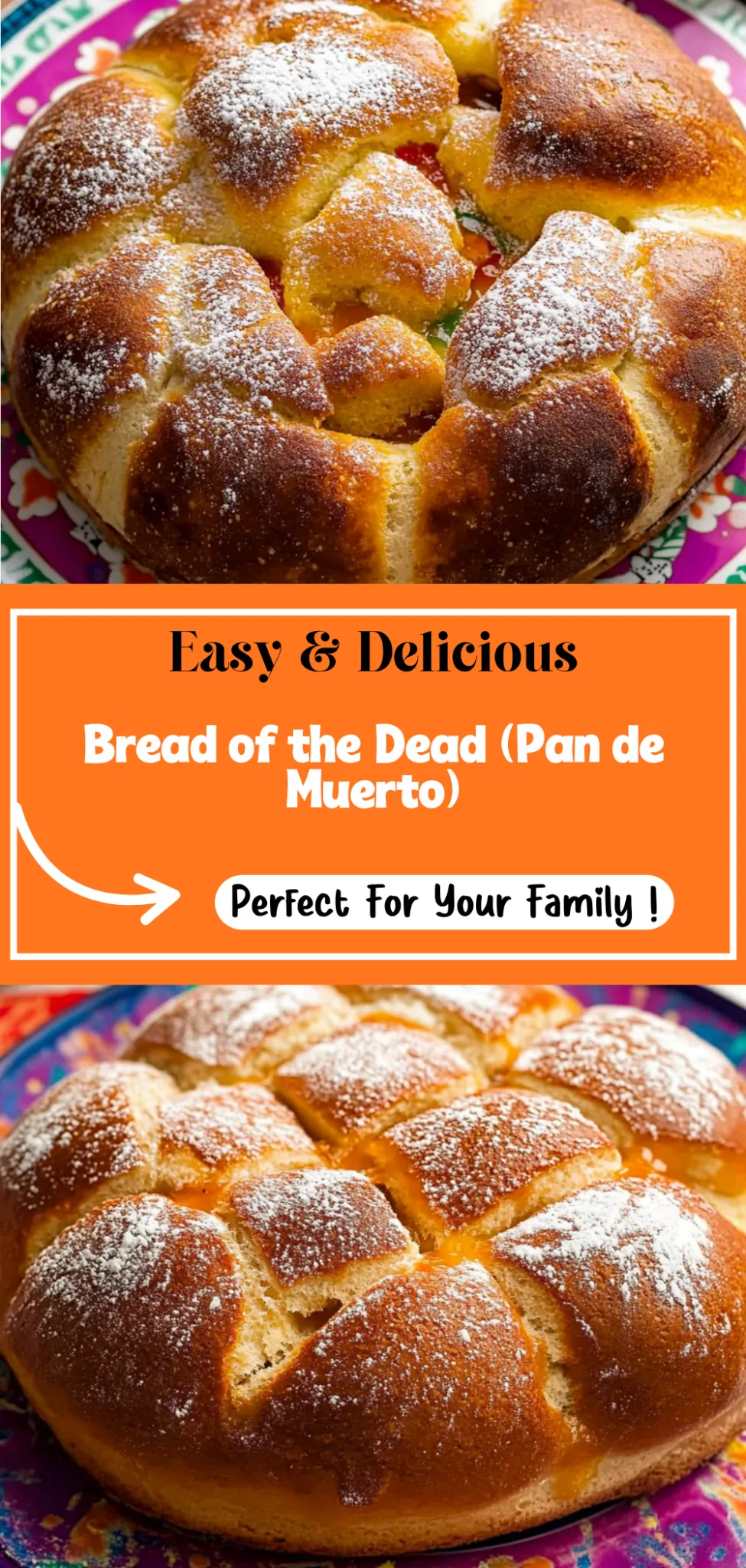
This recipe yields 4 servings of delightful Bread of the Dead, perfect for sharing with family and friends. Serve it warm on a festive platter, dusted with cinnamon sugar for an inviting touch, and pair it with a hot cup of Mexican chocolate or a side of fresh fruit to balance the sweetness. The bread’s soft texture makes it ideal for soaking up any accompanying drinks or toppings, creating a truly comforting experience.
To store leftovers, place them in an airtight container in the refrigerator, where they will keep well for up to 3 days. When reheating, wrap each piece in aluminum foil and warm them in the oven at 350°F (175°C) for about 10-15 minutes to maintain their softness without drying out. While this sweet bread can be frozen, be aware that the texture may change slightly upon thawing, so it’s best enjoyed fresh if possible.
Mexican Rice
The fluffy texture and subtle spices of Mexican rice provide a delightful contrast to the sweet, buttery flavors of Bread of the Dead.
Grilled Corn Elote
This creamy, tangy corn on the cob brings a burst of freshness that wonderfully complements the rich sweetness of the bread.
Refried Beans
The smooth and savory profile of refried beans adds a hearty element that balances the lightness of Bread of the Dead perfectly.
Avocado Salad
A refreshing avocado salad with lime dressing offers a bright contrast that enhances the aromatic notes found in the sweet bread.
Garlic Herb Flatbread
This warm, savory flatbread serves as a delightful vessel for soaking up any leftover sweet or savory toppings, enhancing every bite.
Roasted Sweet Potatoes
The caramelized sweetness and slight earthiness of roasted sweet potatoes create an irresistible harmony with the flavors of Bread of the Dead.
Frequently Asked Questions
Can I use a different type of flour instead of all-purpose flour?
Yes, you can substitute bread flour for all-purpose flour, which will give your Bread of the Dead a slightly chewier texture. However, keep in mind that using whole wheat flour may change the flavor and density of the bread.
Is there a dairy-free option for this recipe?
Yes, you can replace the milk with a plant-based alternative such as almond milk or oat milk. Just ensure that the alternative is unsweetened and warmed before mixing with the yeast.
Can I make this bread ahead of time and freeze it?
Absolutely! After baking and cooling, wrap the bread tightly in plastic wrap and then in aluminum foil before freezing. It can be stored for up to three months; just thaw at room temperature when you’re ready to enjoy it.
How do I know when the dough has risen enough?
The dough is ready when it has doubled in size, which typically takes about one hour in a warm place. You can check by gently pressing your finger into the dough; if it leaves an indentation, it’s well-risen.
Can I add different flavors to the bread?
Certainly! You can experiment by adding spices like nutmeg or cardamom, or even incorporating dried fruits such as raisins or cranberries for added sweetness and texture. Adjusting these flavors will give your Bread of the Dead a unique twist.
What equipment do I need to make this recipe successfully?
You’ll need basic baking equipment including mixing bowls, measuring cups, a rolling pin for shaping the dough, and a baking sheet lined with parchment paper. A stand mixer can also be helpful for kneading if you prefer less manual effort.
Conclusion
Bread of the Dead is not just a delightful treat; it’s a heartfelt way to honor those we’ve lost while indulging in rich, comforting flavors that bring us together. Pair it with other festive favorites like [Mexican Hot Chocolate] or [Pan de Muerto Cookies] to create an unforgettable celebration. We invite you to save this recipe on Pinterest and share your creations with our community—let’s keep the spirit of togetherness alive!
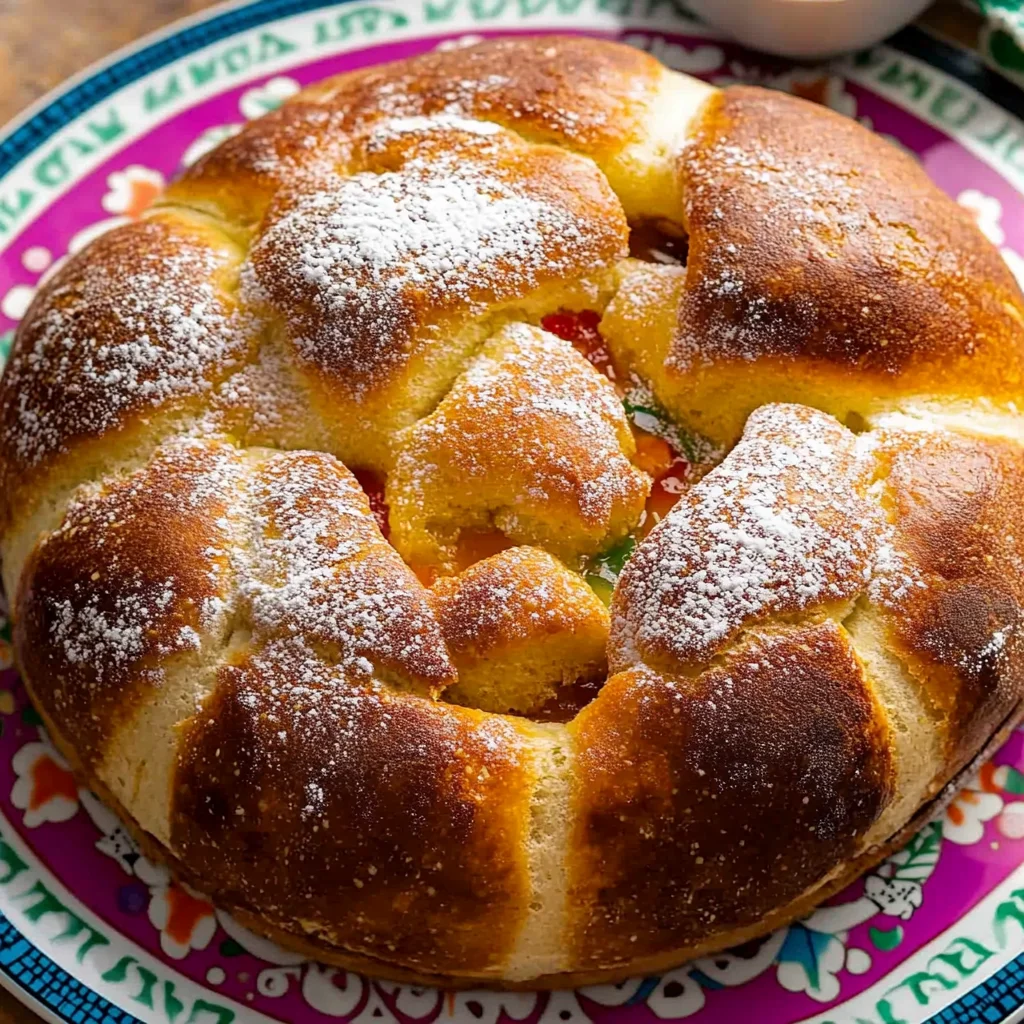
Bread of the Dead
Ingredients
Method
- In a large mixing bowl, combine the warm milk and yeast. Let it sit for 5 minutes until frothy.
- Add the melted butter, sugar, eggs, orange zest, and anise seeds to the yeast mixture. Mix well.
- Gradually add the flour and salt, mixing until a dough forms.
- Knead the dough on a floured surface for about 10 minutes until smooth and elastic.
- Place the dough in a greased bowl, cover with a cloth, and let it rise in a warm place for 1 hour or until doubled in size.
- Preheat the oven to 350°F (175°C).
- Punch down the risen dough and divide it into two equal parts.
- Shape one part into a round loaf and the other into smaller pieces to form a cross on top.
- Place the shaped dough on a baking sheet lined with parchment paper.
- Cover and let rise for another 30 minutes.
- Mix the topping ingredients and sprinkle over the dough.
- Bake in the preheated oven for 25 minutes or until golden brown.
- Let cool before serving.

Leave a Comment